
Can a Water-Damaged Phone Be Saved?
Some water-damaged phones can be saved — inspection decides
Can a water-damaged phone be saved? Learn what changes the outcome, how corrosion spreads, and when fast inspection matters most.
Sometimes yes. Sometimes no. That is the honest answer customers need after water damage.
A wet phone is not one single repair category. One device may have light moisture near a connector and recover well after proper cleaning. Another may already have board-level corrosion, shorting, and several failing parts by the time it reaches the bench. The visible symptom from the outside does not tell the full story.
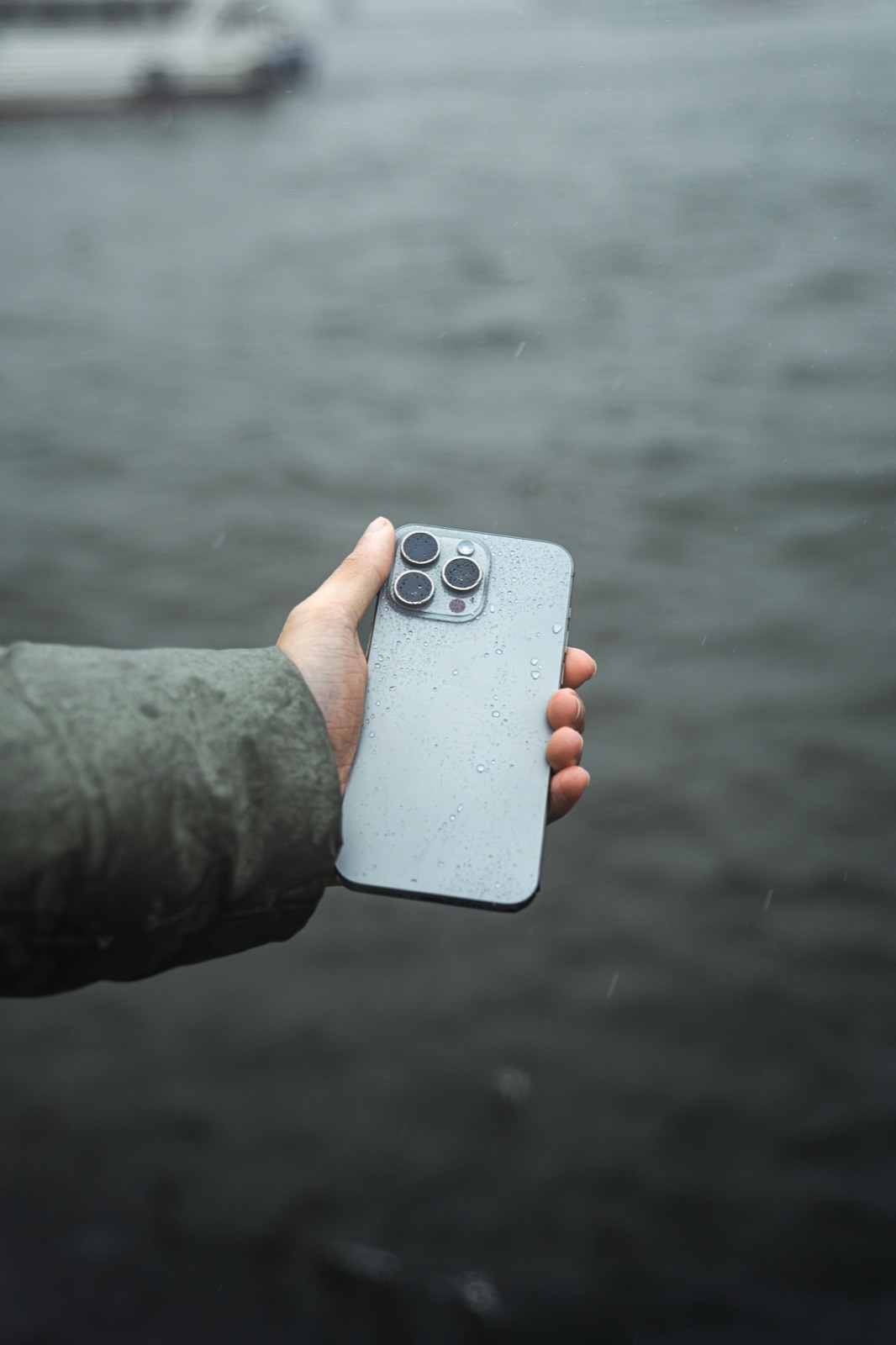
What most affects the outcome
Power After Exposure
Keeping a wet device powered or charging it can increase electrical damage.
Liquid and Time
Salt, sugar, minerals, and delays can make corrosion more severe.
Repair or Data Priority
Inspection may point to full repair, stabilization for data, or a poor-value repair.
Important: No shop can promise success before inspection. The device, data priority, corrosion, and prior attempts all matter.
Practical guidance
Can a water-damaged phone be saved after liquid exposure?
The outcome usually depends on five things:
- how much liquid got inside
- what kind of liquid it was
- how long the phone stayed powered after exposure
- how quickly the phone was inspected
- which internal areas were affected
Fresh-water exposure handled quickly is different from a phone that sat powered on in a pocket after a sugary drink spill. Salt, sugar, minerals, and contaminated liquid all make the job worse.
Why power matters so much
Liquid by itself is a problem. Electricity moving through wet components is often the bigger problem. That is why the first instruction after exposure is to power the phone off and leave it off.
A phone that stays on, gets charged, or keeps being tested repeatedly has more opportunity to short and spread damage. That is one reason two seemingly similar water incidents can have very different outcomes.
Corrosion is what keeps the problem alive
Customers often assume that if the phone dries out, the danger passed. That is not how liquid damage works. Corrosion can keep developing after the initial event, especially when residue remains on connectors, shields, or board components.
That is why a phone may seem normal for a day or two and then start showing:
- charging issues
- speaker problems
- camera fogging
- screen failure
- random restart behavior
- Face ID or sensor issues
The delayed failure is part of the water-damage story, not a separate mystery.
Signs the phone still has a real chance
The odds are usually better when:
- the phone was powered off quickly
- the liquid exposure was brief
- no one tried charging it afterward
- symptoms are limited and recent
- the phone is brought in fast
None of that guarantees a clean recovery, but it improves the odds that the damage is still containable.
Signs the damage may be deeper
The situation gets worse when:
- the phone gets hot after exposure
- it will not power on at all
- the screen stays black or flickers
- charging behaves abnormally
- cameras fogged internally
- multiple functions fail at once
- the device kept being used after getting wet
At that point, the conversation may shift from straightforward repair to stabilization, partial recovery, or data-priority decision making.
What inspection and next steps should answer
What not to do if you want the best chance
If you are trying to save the phone, avoid the usual bad moves:
- do not charge it
- do not keep pressing power repeatedly
- do not trust rice to fix internal liquid
- do not use heat guns or hair dryers
- do not wait several days just to see if it improves on its own
Those steps usually reduce the odds instead of helping.
What a real inspection should answer
The goal of inspection is not to promise a miracle. It is to answer practical questions:
- did the liquid reach critical areas?
- is corrosion already visible?
- is the phone a repair candidate, data candidate, or poor-value candidate?
- which functions are most at risk?
- what is the most responsible next step?
That is the kind of clarity customers need, especially when important data is still on the device.
Can data still be recovered if full repair is not worth it?
Sometimes yes. A phone can be a weak long-term repair but still worth stabilizing long enough to recover needed information. That is one reason a blanket "dead or saved" answer is not useful. The phone may still have recovery value even if it is not a good full repair candidate.
Sacramento-specific guidance
If you are in Sacramento and the phone matters for work, photos, or account access, fast intake matters more than home remedies. The sooner the device is evaluated, the better the chance of limiting corrosion and making a smarter decision about repair versus recovery.
Bottom line
A water-damaged phone can sometimes be saved, but the answer depends on timing, exposure severity, liquid type, and how much power moved through the phone afterward. High-quality content should help customers understand those variables instead of offering false certainty.
Water-damage outcome questions
If the phone turned back on, does that mean it is fine?
No. Water-damaged phones often work temporarily before corrosion creates later failures.
Is rice better than nothing?
No. It does not remove internal residue or corrosion risk and usually delays proper inspection.
Should I try charging it once to test it?
No. If liquid got inside, charging can make a recoverable device much worse.
Continue with Fast Repair
Phone water-damage repair
Review Fast Repair’s liquid-exposure service and diagnostic process.
Real repair stories
See documented Fast Repair outcomes with clear case-specific limits.
- Want to know whether your water-damaged phone still has a practical repair path?